
SUNKEN TREASURE
Off Cartagena, Colombia, lies the legendary San José shipwreck, often called the holy grail of sunken treasure ships.
The mother lode of sunken pirate ship treasure due to its value. The last setting of my novel Gabriela’s Chase is Cartagena, so naturally I am fascinated with the pirate ship story. And I think you will be too.
Facets of this true tale are sure to attract attention from academics or lovers of all things Jack Sparrow:
- $17 billion or more of treasure in gold, silver, and emeralds
- Hand-struck currency circulated in the Americas in the 18th century
- The San José, the Spanish monarchy’s flagship, was sunk by British fighting ships in 1708
- Claiming the treasure are Colombia, Spain, Indigenous Bolivia, and a U.S.-based salvage company
How did it happen?
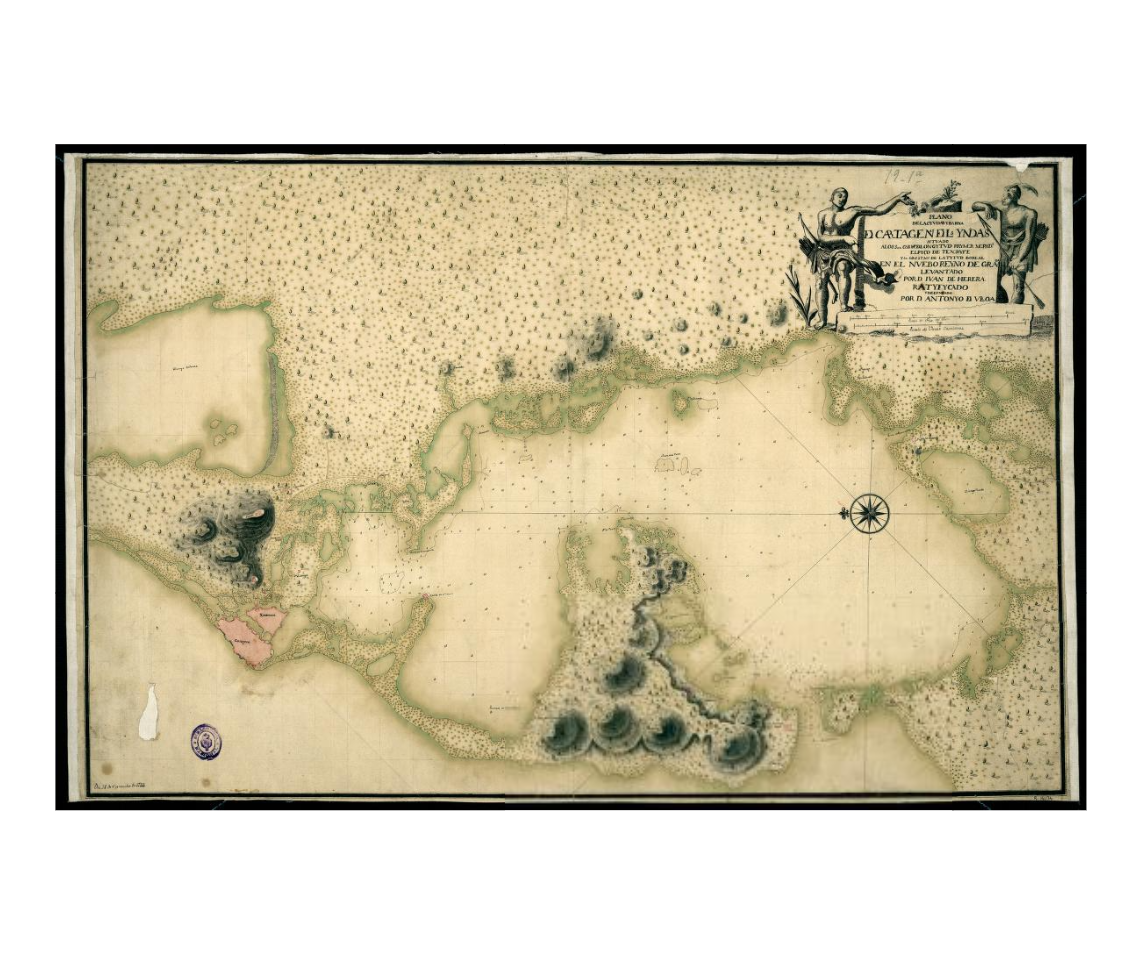
Launched in 1698, the San José was loaded with coins and jewels in Panama in 1708 and sailed in a fleet of three Spanish galleons and 13 merchant ships toward Cartagena when it encountered Wager’s British ships. They fired at it until the San José’s explosive stash lit up and brought the ship down in Caribbean waters off Barú Island, south of Cartagena, now intentionally kept secret. Only 11 men of the 600-member crew survived.
Where did the treasure originate?
Estimates are that its surviving sister ship, the San Joaquín, carried $11 billion as of 2023, consisting of silver and gold from Potosí mines in present-day Lima, Peru. Brazil is not the source of these coins, as Brazilian major gold mines were controlled by Portugal and not Spain; thus, this coinage was not part of the transport of treasure from Spain’s Tierra Firme fleet. The irregular Spanish hand-struck coinage are called “cobs” or “macuquinas.”
Who’s fighting for it?
The Colombian government says it’s theirs and should end up in a museum as archeological, cultural heritage and not just commercial loot. Spain says the materials came from their country, but the Indigenous Bolivian people say they made the coins. A U.S. salvage company, Sea Search Armada, which found a site in 1981, contests that they deserve to split with the recovering state.
Where is the treasure?
The San José treasure is 600 meters deep near Isla Delta Soro. Found by the Woods Hole Oceanographic Institution in 2015, the Colombian Navy took over the work in 2017, with the exact location kept shrouded in secrecy from treasure hunters.
Recent activity?
In November 2025, three gold and bronze coins, a cannon, and a porcelain cup were brought up to the surface. Scientists state they want to give Colombia back its history; artifacts recovered from the wreck provide valuable insight into 18th-century colonial life and maritime trade. Warm, salty water and lime under the sea are melting many of the coins. Mother Nature may have more dominion over the cache than the other entities laying claim to it.
Thoughts on True Treasure
My favorite Colombian writer, Gabriel García Márquez, refers to the sinking of the San José in his novel Love in the Time of Cholera, and recently a Colombian writer told the tale in a graphic novel. The tug-of-war for the melting treasure is ironic. No one is making much profit but the lawyers, says the U.S. salvage company.
Is this treasure astounding? Looking deeper, in a faith-centered way, true treasure lies deep within the human soul in connection with the Creator. Perhaps treasure is something to consider spiritually. Wealth, especially easy gains, can slip right through your fingers, but having a relationship with Jesus provides real riches. Earthly treasures or heavenly treasures? What do you treasure right now? Where is your heart?
“For where your treasure is, there your heart will be also.”
—Jesus, Gospel of Matthew 6:21